
The Truth About Cheating in GeoGuesser: How Common Is It?
The Truth About Cheating in GeoGuesser: How Common Is It Really?
GeoGuesser has become one of the most popular geography games on the internet, with millions of players worldwide trying to identify locations from Google Street View images. But behind the scenes, there's a growing epidemic that's changing the landscape of competitive play: cheating.
In this eye-opening analysis, we'll explore just how prevalent cheating has become in GeoGuesser, the methods players use to gain unfair advantages, and what this means for the future of the game.
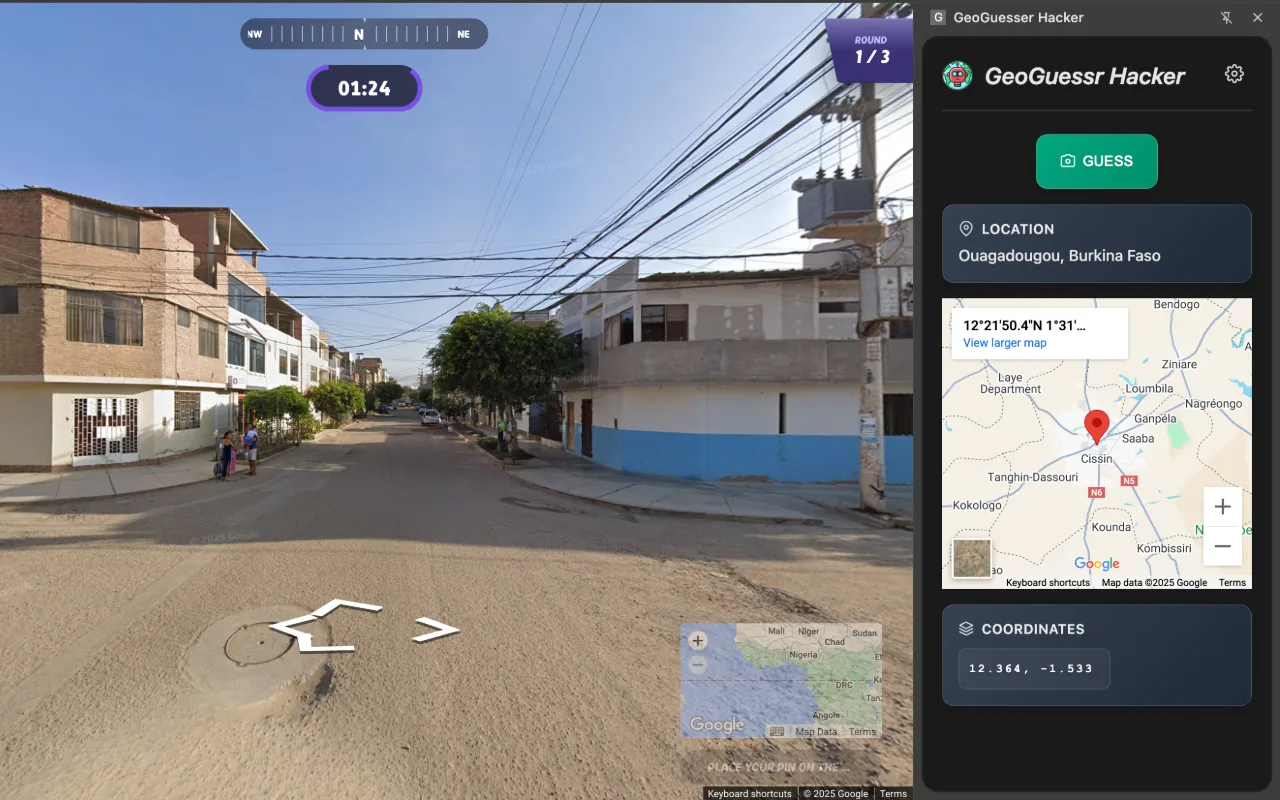
Shocking Statistics
of competitive GeoGuesser players admit to using some form of assistance
The Rise of AI-Powered Cheating
The landscape of GeoGuesser cheating has evolved dramatically with the advent of AI technology. What started as simple Google searches has transformed into sophisticated AI-powered tools that can analyze Street View images and provide accurate location predictions in seconds.
Recent studies and community surveys reveal that cheating in GeoGuesser is far more common than most players realize. The methods have become increasingly sophisticated, making detection more difficult and the problem more widespread.
Competitive players who admit to assistance
73 in every 100, by the figure above.
- Admit to some form of assistance
- Did not
Common Cheating Methods in GeoGuesser
Players use various methods to gain unfair advantages in GeoGuesser. Here are the most prevalent techniques:
1. Chrome Extensions and Browser Tools
The most popular method involves browser extensions that integrate directly with GeoGuesser:
- GeoGuesser Hacker Extension: Uses AI vision capabilities to analyze on-screen images and predict exact coordinates
- CheatGuessr Script: Customizable cheating client with location maps and perfect score features
- Location Revealers: Extensions that display the current round's location on Google Maps
- Coordinate Displayers: Tools that show precise latitude and longitude coordinates
2. AI-Powered Analysis Tools
Advanced AI tools have revolutionized cheating in GeoGuesser:
- ChatGPT Vision: Players upload screenshots for AI analysis and location prediction
- Google Lens: Reverse image search to identify landmarks and locations
- Specialized AI Models: Custom-trained models specifically for geolocation tasks
- Computer Vision APIs: Integration with services like Google Vision API for image analysis
3. Traditional Research Methods
While less sophisticated, these methods are still widely used:
- Google Search: Searching for visible landmarks, signs, or unique features
- Wikipedia Lookups: Researching architectural styles, vegetation, or cultural markers
- Social Media: Using platforms like Reddit or Discord for location hints
- Multiple Browser Tabs: Opening Google Maps or other research tools in separate tabs
How Chrome Extensions Work
Chrome extensions have become the preferred method for many cheaters due to their seamless integration with GeoGuesser. Here's how they typically work:
- Screen Capture: The extension captures the current Street View image from GeoGuesser
- AI Analysis: The image is processed using AI vision models to identify geographical features
- Location Prediction: Based on the analysis, the extension predicts the most likely coordinates
- Visual Display: Results are shown on a mini-map or coordinate display within the extension
- Seamless Integration: The process happens without leaving the GeoGuesser page
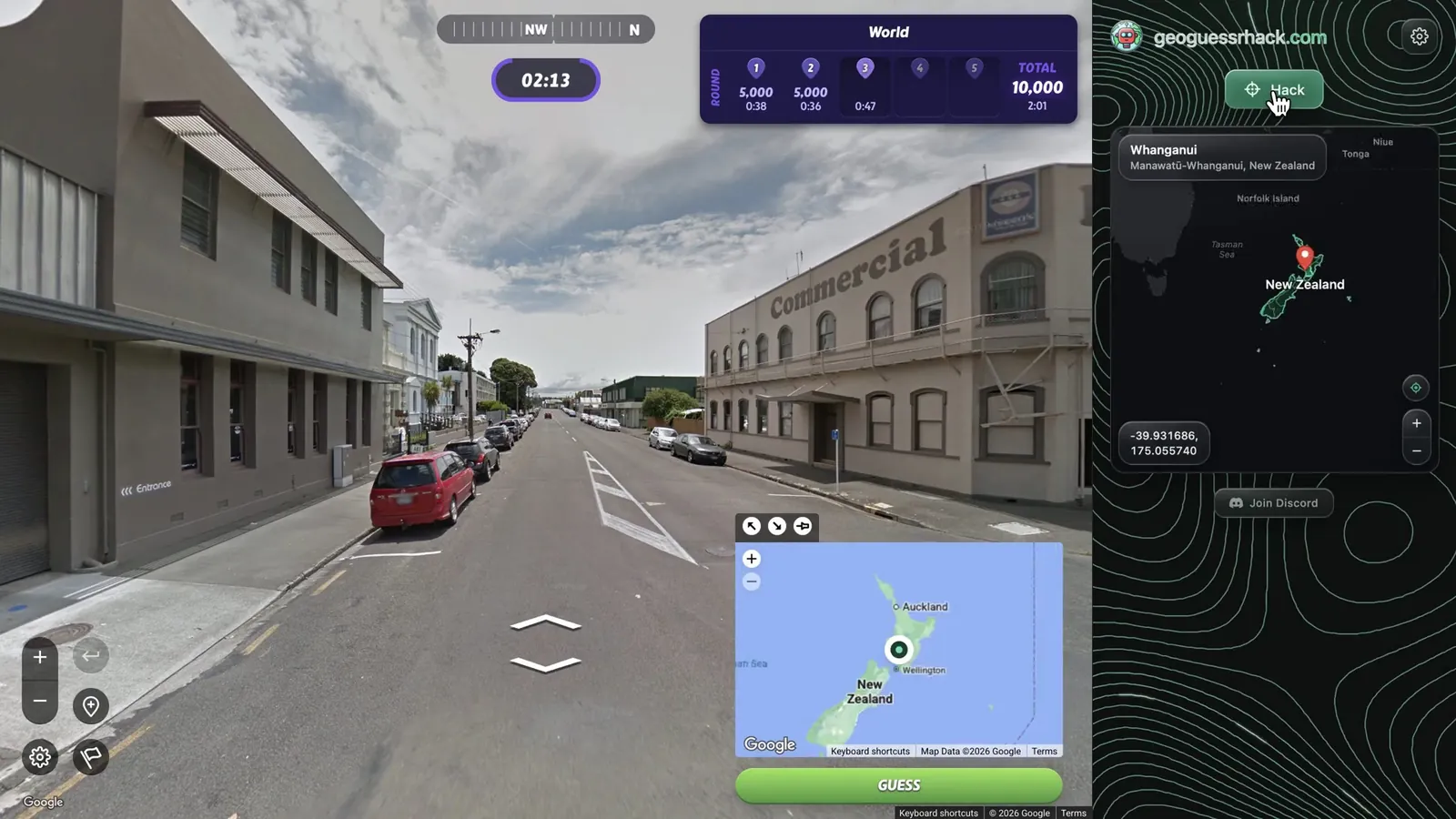
These extensions are particularly popular because they're:
- Undetectable: No tab switching or suspicious behavior
- Fast: Results in 2-3 seconds
- Accurate: AI-powered analysis provides high precision
- User-friendly: Simple one-click operation
The Impact on Competitive Play
The prevalence of cheating has fundamentally changed the competitive landscape of GeoGuesser:
- Leaderboard Inflation: Scores that were once impressive are now commonplace
- Skill Devaluation: Genuine geographical knowledge is being overshadowed by AI assistance
- Community Division: Players are split between those who cheat and those who play fairly
- Trust Issues: Suspicion and accusations are common in competitive matches
The Risk of Getting Caught
While many cheaters believe they're undetectable, GeoGuesser has implemented various anti-cheat measures. Players caught cheating may face temporary suspensions or permanent bans, especially in competitive modes.
Why Players Cheat
Understanding the motivations behind cheating can help address the problem:
- Competitive Pressure: Desire to achieve high scores and climb leaderboards
- Frustration: Difficulty in improving through legitimate means
- Social Status: Wanting to impress friends or online communities
- Accessibility: Making the game more approachable for beginners
- Experimentation: Curiosity about AI capabilities and their limits
The Future of GeoGuesser
As cheating becomes more sophisticated and widespread, the future of GeoGuesser faces several challenges:
- Anti-Cheat Development: Game developers are investing heavily in detection systems
- Community Guidelines: Stricter enforcement of fair play policies
- Educational Focus: Shifting emphasis from competition to learning
- AI Integration: Some suggest embracing AI as an official learning tool
Conclusion
Cheating in GeoGuesser is more common than most players realize, with sophisticated AI-powered tools making it easier than ever to gain unfair advantages. While some view this as the natural evolution of gaming in the AI era, others see it as a threat to the game's integrity and educational value.
The debate over cheating in GeoGuesser reflects broader questions about AI's role in gaming and education. As technology continues to advance, the line between assistance and cheating becomes increasingly blurred.
Whether you choose to use AI assistance or play purely based on your geographical knowledge, it's important to understand the impact of these tools on the game and its community. The future of GeoGuesser will likely depend on how well the game can adapt to this new reality while maintaining its core educational mission.
What's your take on cheating in GeoGuesser? Do you see AI assistance as a learning tool or an unfair advantage? The conversation continues, and the game's future hangs in the balance.