
10 Geographic Clues AI Detects Instantly (That Humans Miss)
You're looking at a GeoGuesser image. Trees, a road, maybe a building. You squint at the signs, analyze the landscape, and make your best guess. Meanwhile, AI has already identified 100+ geographic markers you didn't even notice—and pinpointed the location in 2 seconds.
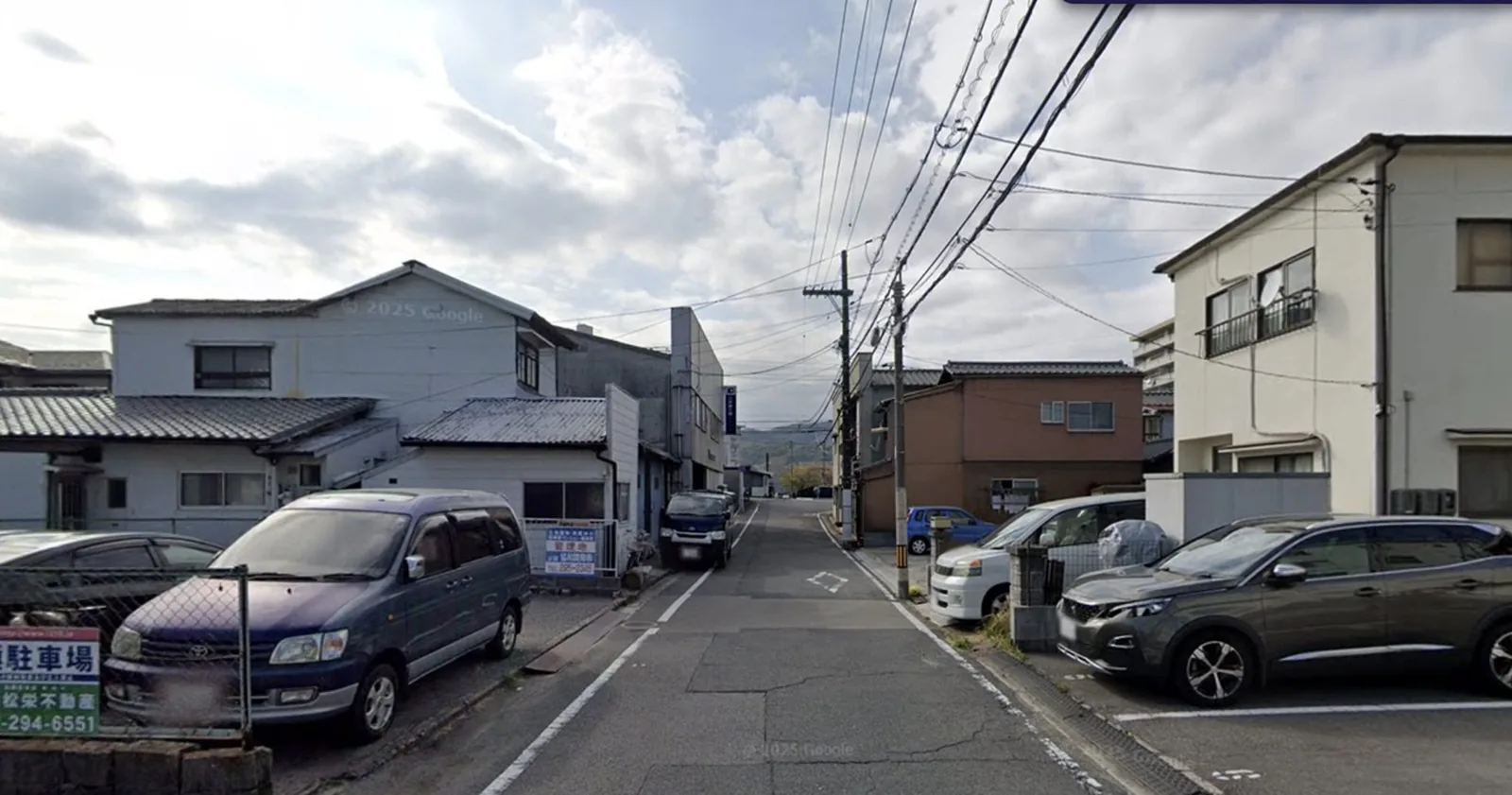
Here are 10 subtle visual clues that AI uses to achieve superhuman accuracy in GeoGuesser:
1 Power Line Configuration
What humans see: Overhead wires
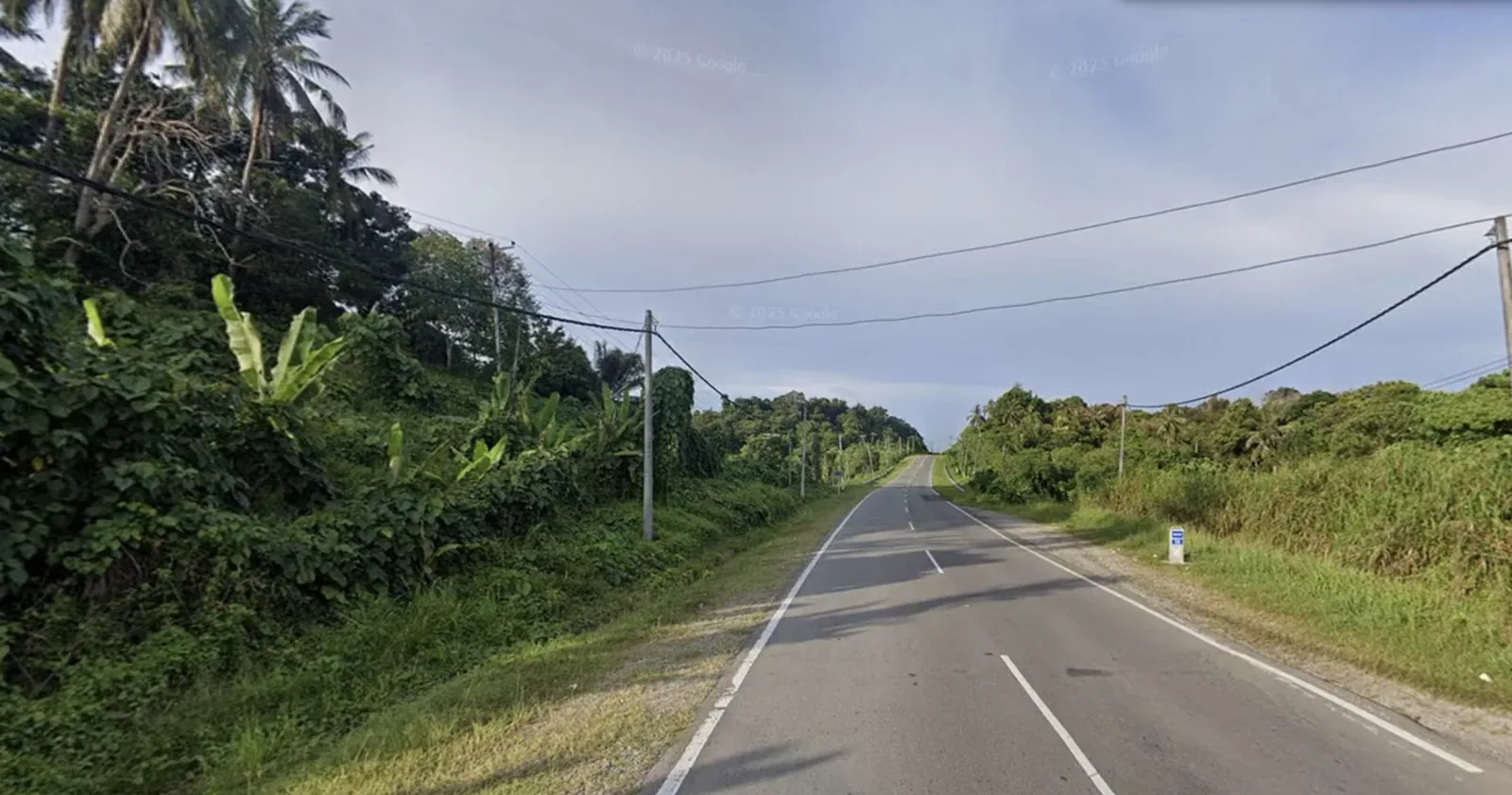
What AI sees: Specific pole designs, wire arrangements, and insulator types that are unique to regions and countries.
For example, wooden poles with a distinctive crossbar pattern are common in parts of Eastern Europe, while concrete poles with specific wire spacing patterns indicate Southeast Asia. AI can differentiate between dozens of power line configurations instantly.
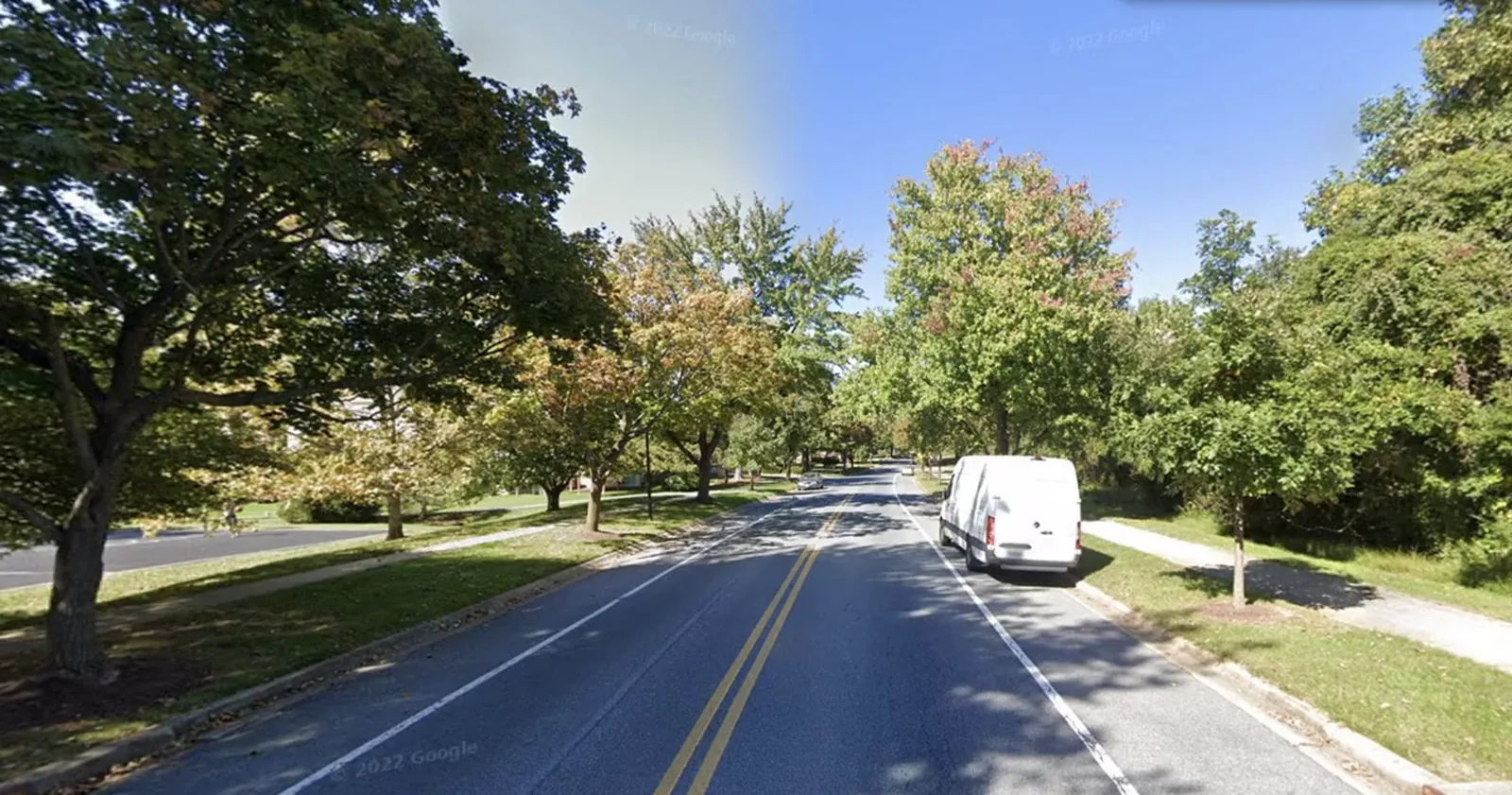
2 Road Paint Patterns
What humans see: White and yellow lines
What AI sees: Dashed line spacing, edge line styles, and paint reflectivity that vary by country and region.
The spacing between dashed center lines can indicate specific countries—Brazil uses 4-meter dashes with 6-meter gaps, while Argentina uses different ratios. AI has memorized these patterns across 195 countries.
3 Guardrail Designs
What humans see: Metal barriers
What AI sees: Specific bolt patterns, beam shapes, and post designs that are region-specific.
Norway's distinctive W-beam guardrails with wooden posts differ from Japan's steel beam barriers with unique reflector patterns. These details narrow down locations to specific regions.
4 Utility Box Colors and Designs
What humans see: Random colored boxes
What AI sees: Standardized utility infrastructure that varies by telecom providers and countries.
Yellow utility boxes with specific venting patterns indicate Australia. Green boxes with particular labeling suggest New Zealand. Blue boxes point to certain European regions. AI has catalogued thousands of these variations.
5 Vegetation Density and Types
What humans see: Green plants
What AI sees: Specific tree species, foliage patterns, and vegetation density that indicate climate zones and regions.
The AI can distinguish between eucalyptus trees (Australia), olive trees (Mediterranean), birch forests (Northern Europe), and tropical palms (equatorial regions) with remarkable accuracy.
6 Soil and Pavement Color
What humans see: Gray or brown ground
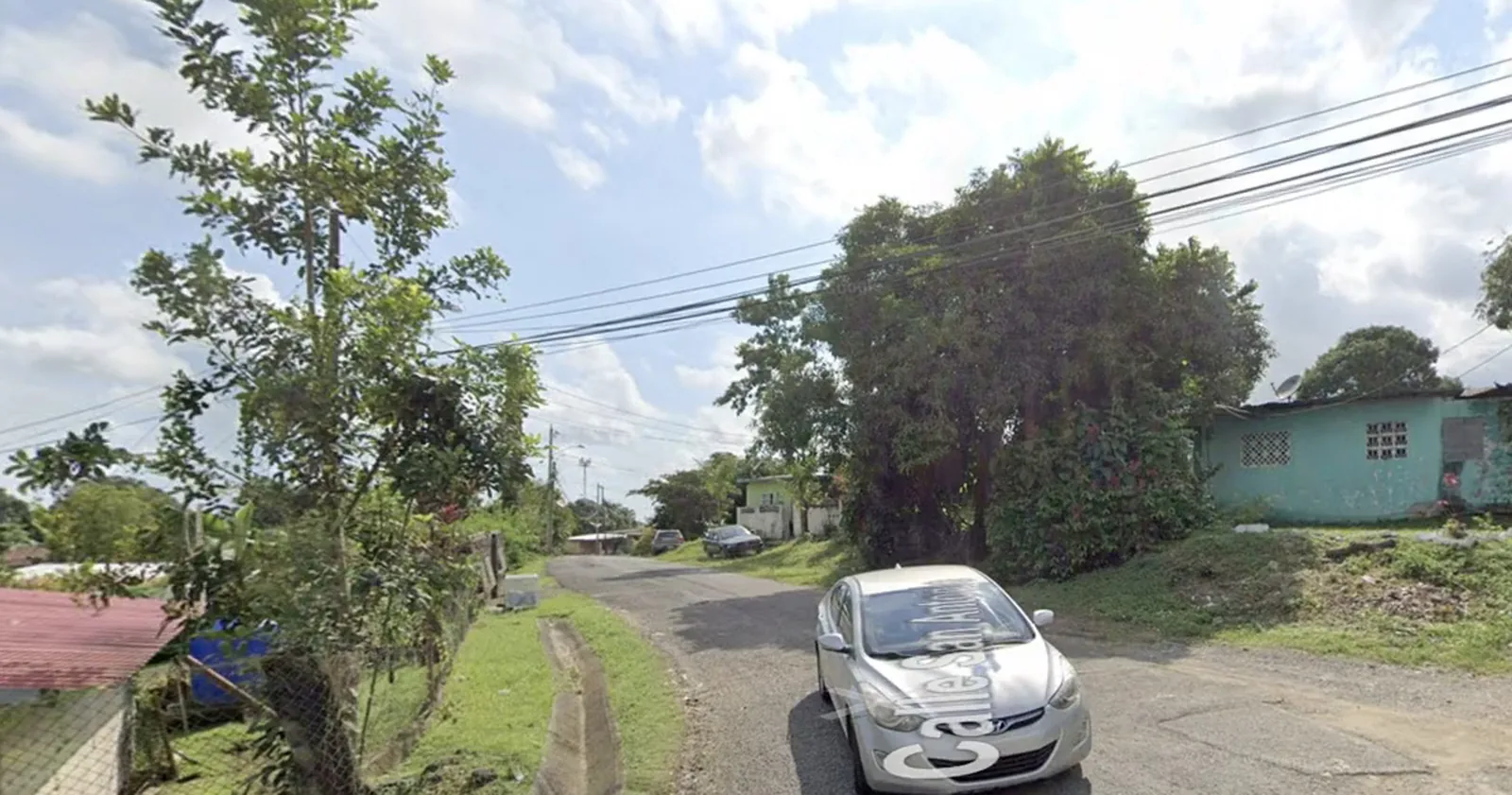
What AI sees: Specific asphalt compositions, concrete mixtures, and soil colors that vary by region.
Red laterite soil suggests tropical regions. Volcanic black sand points to Iceland or Hawaii. Light gray limestone indicates Mediterranean areas. AI analyzes these color signatures instantly.
7 Architectural Window Styles
What humans see: Windows
What AI sees: Window frame materials, shutter styles, and glazing patterns unique to architectural traditions.
Wooden shutters with specific slat patterns indicate Central Europe. Steel-framed windows with security bars suggest Latin America. Triple-pane windows with particular frames point to Scandinavia.
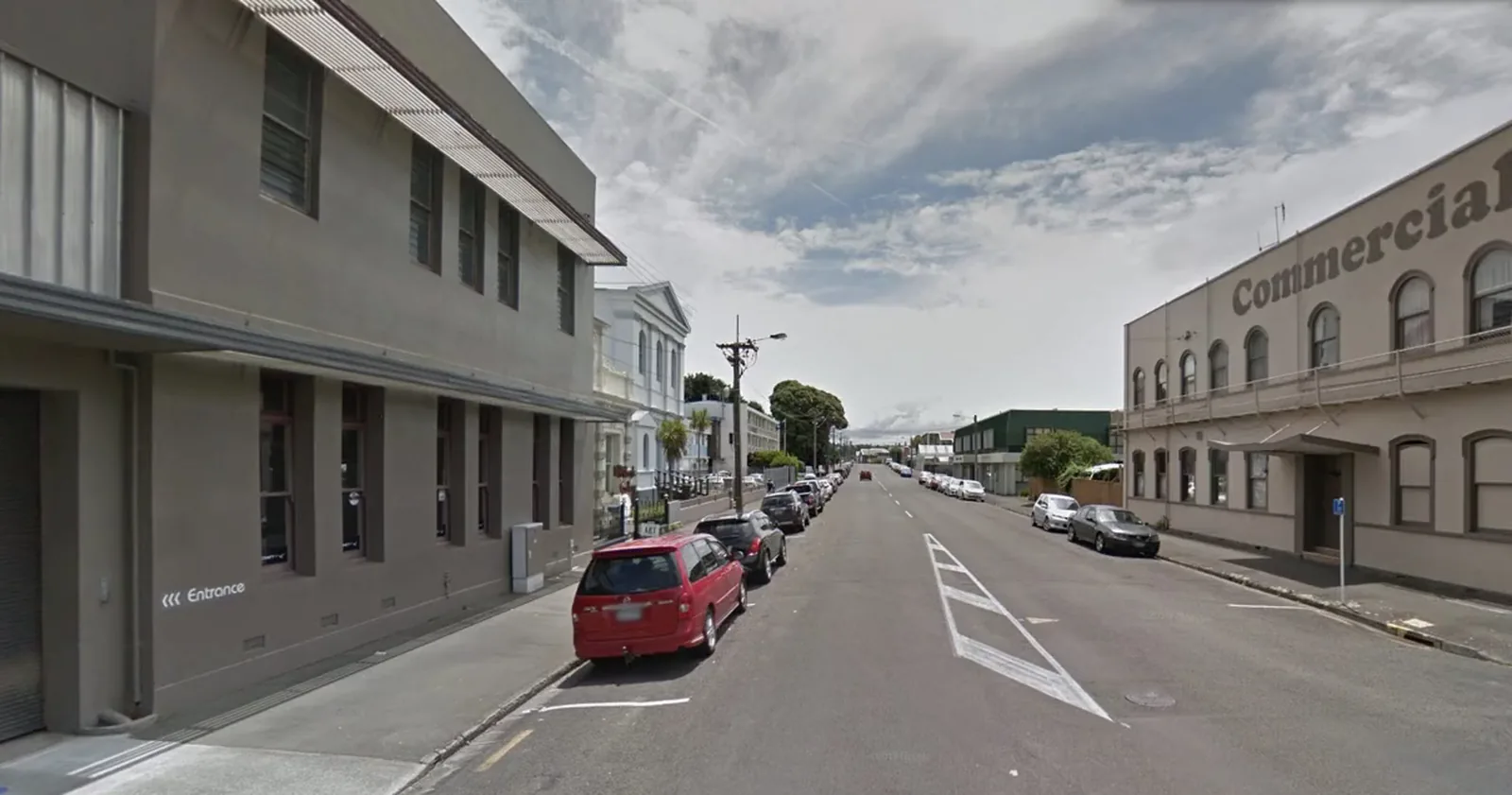
8 Street Sign Mounting Hardware
What humans see: Sign posts
What AI sees: Specific bracket designs, bolt patterns, and mounting systems standardized by country.
Even when signs are blurry or in foreign languages, the mounting hardware itself can indicate the country. Poland uses distinctive U-channel posts, while Germany favors specific square posts with unique caps.
9 Roof Materials and Angles
What humans see: Roofs
What AI sees: Clay tile patterns (Mediterranean), metal sheeting colors (Nordic countries), steep angles (heavy snow regions), or flat roofs (arid climates).
The AI recognizes that steep red clay tile roofs with specific ridge patterns indicate central Spain, while blue-gray slate roofs with gentler angles suggest France or Belgium.
10 Shadow Angles and Length
What humans see: Shadows
What AI sees: Precise shadow angles that indicate latitude, time of year, and time of day when the image was captured.
Long shadows with specific angles can eliminate entire hemispheres. Short, vertical shadows indicate equatorial regions. The AI uses sun position calculations to narrow down latitude ranges with impressive precision.
The Compound Effect
Here's what makes AI truly powerful: it doesn't rely on just one clue. It analyzes all 100+ markers simultaneously, weighing their individual confidence scores and combining them into a final prediction.
Example: An image might have ambiguous vegetation (60% confidence Europe), but when combined with specific guardrails (85% confidence Norway), yellow road paint (75% confidence Scandinavia), and wooden utility poles (80% confidence Nordic region), the AI confidently predicts Norway with 94% accuracy.
Combining the clues
Confidence from each clue in the example above, and from all four combined.
Learning from AI
The beauty of using AI assistance in GeoGuesser isn't just about winning—it's about learning to see the world like the AI does. Over time, you'll start noticing these subtle patterns yourself:
- You'll glance at utility poles and immediately think "Eastern Europe"
- You'll see road paint patterns and narrow down countries
- You'll recognize architectural styles that you never noticed before
- You'll develop an intuitive sense of geographic patterns
Try It Yourself
Next time you play GeoGuesser, try looking for these 10 clues. You'll be amazed at how much information is hiding in plain sight. And when you want to see what a trained AI can find, GeoGuesser Hacker shows you exactly which markers it's detecting—turning every guess into a learning opportunity.
Ready to see through AI's eyes? Install GeoGuesser Hacker and start noticing the subtle geographic markers that separate good players from great ones.